

PACEMAKERSOPTIMIZE YOUR PATIENT THERAPY
TRANSVENOUS PACEMAKERS ARE DESIGNED FOR A RANGE OF PATIENTS WITH ATRIAL FIBRILLATION (AF)
Implantation is indicated in one or more of the following permanent conditions, or any combination of these symptoms: syncope, presyncope, fatigue, disorientation.
Rate-modulated pacing is indicated for patients with chronotropic incompetence, and for those who would benefit from increased stimulation rates concurrent with physical activity.
Dual-chamber pacing (DDD) is indicated for those patients exhibiting: sick sinus syndrome; chronic, symptomatic second- and third-degree atrioventricular (AV) block; recurrent Adams-Stokes syndrome; symptomatic bilateral bundle branch block when tachyarrhythmia and other causes have been ruled out.
Atrial pacing (AAI) is indicated for patients with sinus node dysfunction and normal AV and intraventricular conduction systems.
Ventricular pacing is indicated for patients with significant bradycardia and normal sinus rhythm with only rare episodes of AV block or sinus arrest; chronic atrial fibrillation; severe physical disability.
AF Suppression™ algorithm stimulation is indicated for suppression of paroxysmal or persistent AF episodes in patients with one or more of the above pacing indications.
LEARN MORE:
Based on the extensive data supporting the use of remote monitoring, the Heart Rhythm Society (HRS) published a consensus statement in 2015 that makes remote monitoring a Class 1A recommendation.1
| HRS CLASS 1A RECOMMENDATIONS | |
|---|---|
| DEVICE FOLLOW-UP PARADIGM | DEVICE AND DISEASE MANAGEMENT |
| A stategy for remotely monitoring cardiac implantable electronic devices (CIEDs), combined with at least an annual in-person evaluation, is recommended over a calendar-based schedule of in-person CIED evaluations alone (when technically feasible). | Remotely monitor device for surveillance of lead function and battery conservation |
| All patients with CIEDs should be offered some type of remote monitoring as part of the standard follow-up management strategy. | Remotely monitoring for early detection and quantification of atrial fibrillation (AF) useful. |
Assurity MRI™ offers options for no-wait magnetic resonance imaging (MRI), allowing patients to access full-body 1.5 Tesla (T) and 3T MRI scans immediately after implant.
Watch Mitch’s story in this video to see how no-wait MRI supports a timely diagnosis and ensures that patients receive appropriate medical care as soon as it is needed.
Hub
TV

Why Leadless Pacing Summit 2026 Matters

Leadless in Congenital Patients
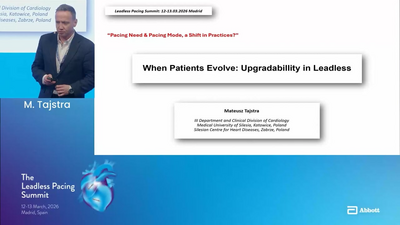
When Patients Evolve: Upgradability in Leadless

Optimizing Tricuspid Valve Crossing: Case example

Optimizing Tricuspid Valve Crossing: Case example

Health Economics of Leadless Therapy

Learn AVEIR Leadless Pacemaker Follow-Up Checks
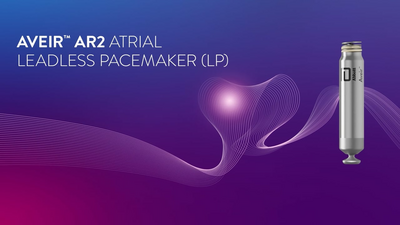
Discover AVEIR AR2: Enhanced Battery Longevity
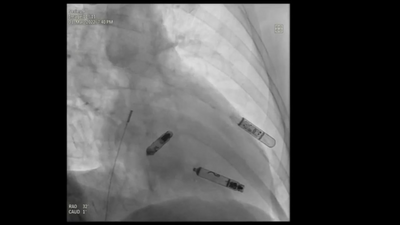
AVEIR DR Implant Positioning Under Fluoroscopy

Introducing AVEIR DR: True AV Synchrony Without Leads
- Slotwiner D, Varma N, Akar JG, et al. HRS Expert Consensus Statement on remote interrogation and monitoring for cardiovascular implantable electronic devices. Heart Rhythm. 2015;12(7):e69-100. doi: 10.1016/j.hrthm.2015.05.008.