

MITRAL AND TRICUSPID INTERVENTIONS
Switch to interventional view For more information specific to interventional cardiology regarding TEER repair
A Defining Moment Has To Start Somewhere. Why Not With You?
MitraClip™ TEER therapies go beyond symptom relief. By reducing regurgitation, patients can experience restored valve function, improved survival, reduced hospitalizations, and better quality of life.
A Defining Moment Can Last Years.
MitraClip™ TEER delivers outcomes that matter beyond the procedure itself. Built on extensive clinical evidence and real-world experience, its impact is reflected in four key pillars: Safe, with low procedural risk and consistent safety outcomes; Effective, helping reduce heart failure hospitalizations and improve quality of life; and Proven, with demonstrated outcomes across diverse patient populations. Together, these pillars highlight a therapy designed to create lasting impact for appropriately selected patients.
LOW PROCEDURAL RISKS. CONSISTENT SAFETY OUTCOMES.
MitraClip™ TEER has demonstrated low early complication rates and high procedural success in a real world population. Safety outcomes are consistent across trials and post-approval studies, including in elderly and high risk patients.
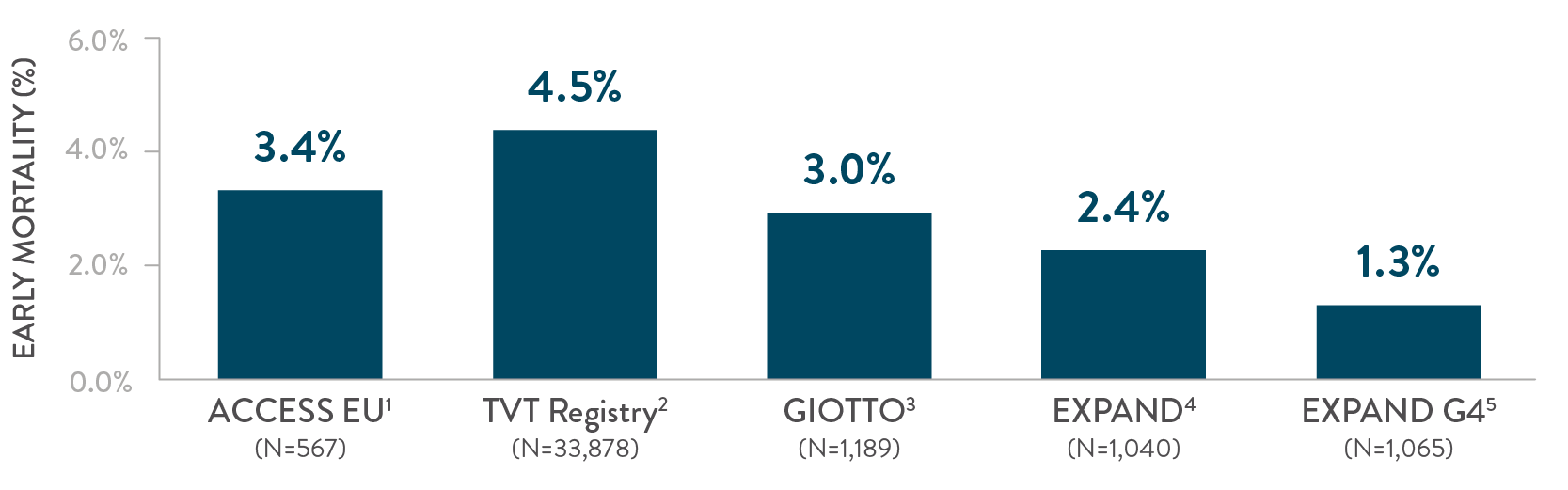

FREEDOM FROM DEVICE-SPECIFIC
COMPLICATIONS AT 5 YEARS6
| KEY MEASURES OF DEVICE SAFETY | ExPAND7,10 | Expand G45,8,9 |
|---|---|---|
Leaflet adverse Events (LAE)
|
0.4% (30-Days) |
0.2% (30-Days) |
Mitral valve Surgical | N/A (30-Days) 1.9% (1-Year) | 0.9% (30-Days) 1.9% (1-Year) <2.8% (2-Years) |

ACUTE PROCEDURAL SUCCESS9

IMPLANT RATE7

MEDIAN PROCEDURE TIME9
Reduced HF hospitalization. Improved quality of life.
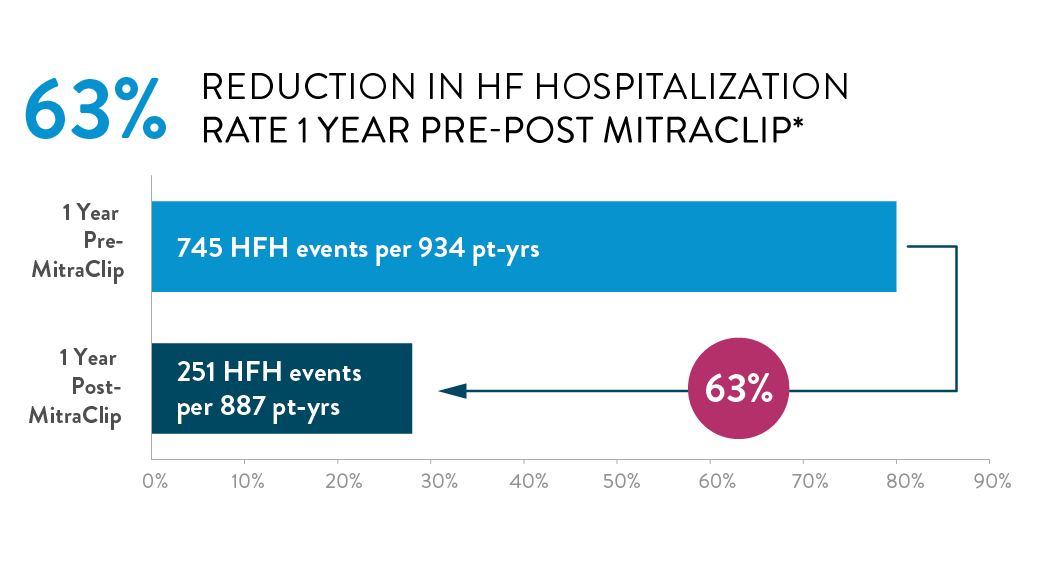
MitraClip™ TEER, used alongside guideline‑directed medical therapy, has shown to reduce heart failure hospitalizations, improve survival, and lower overall disease burden. Benefits are seen early and sustained over time, with patients experiencing durable symptom relief and meaningful improvements in functional status and quality of life that align with long‑term reductions in heart failure events.
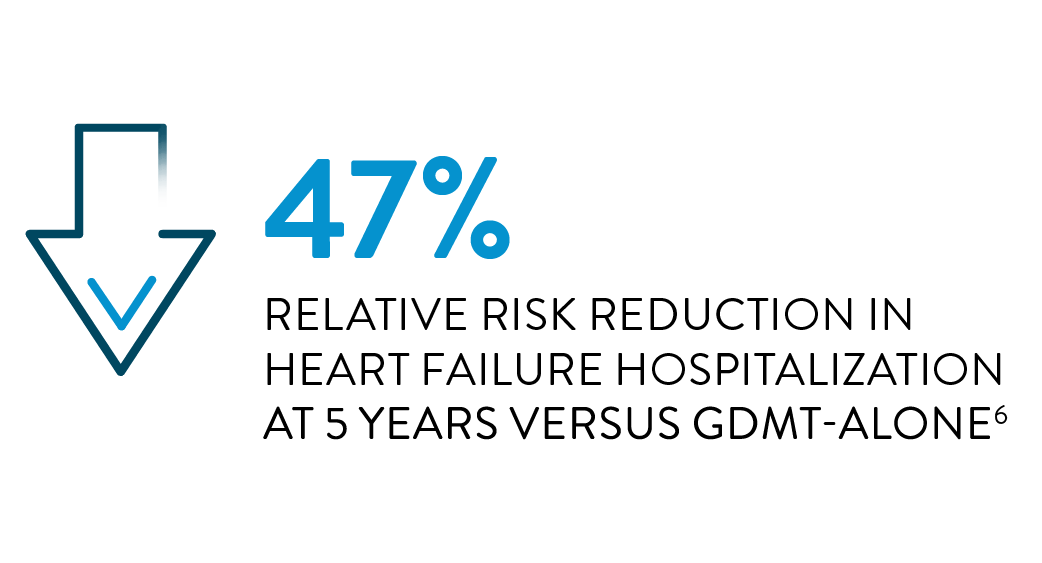
COAPT™ TRIAL6
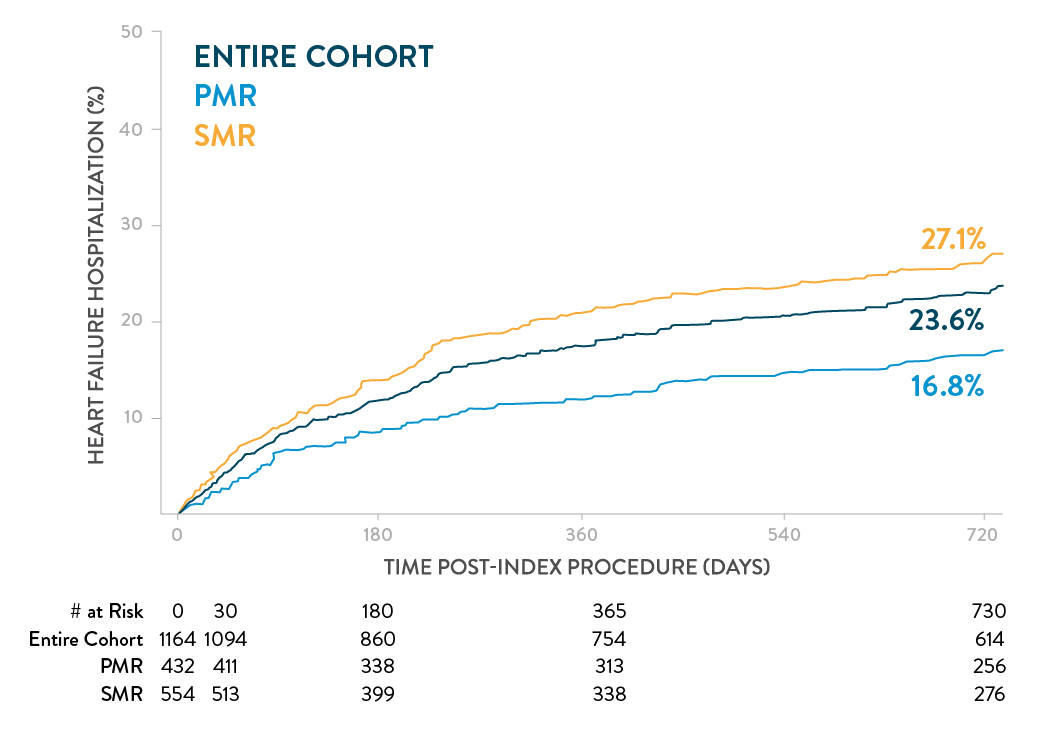
EXPAND G4 STUDY9
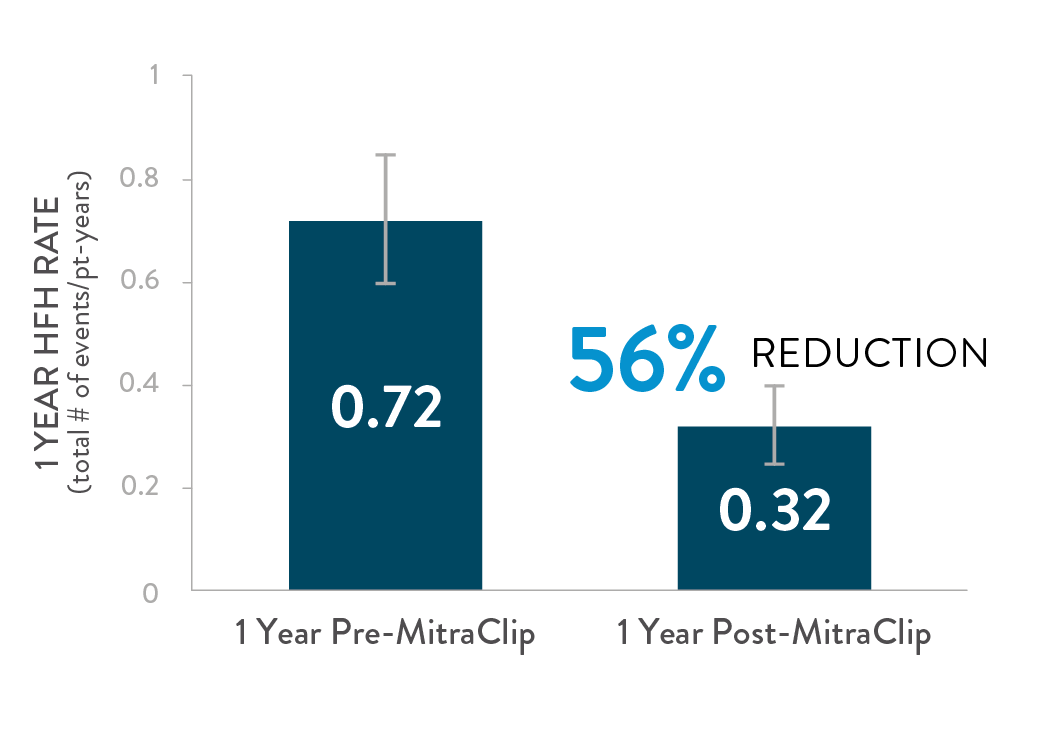
Consistent heart failure hospitalizations at 2 years in the real-world compared to controlled clinical trials
EXPAND STUDY16
EXPANDed STUDIES17
Atrial SMR patients can also benefit from a significant reduction in heart failure hospitalization17

POINT IMPROVEMENT IN KCCQ-OS SCORE AT 2-YEARS, MAINTAINED FROM +18 POINT IMPROVEMENT AT 30 DAYS9
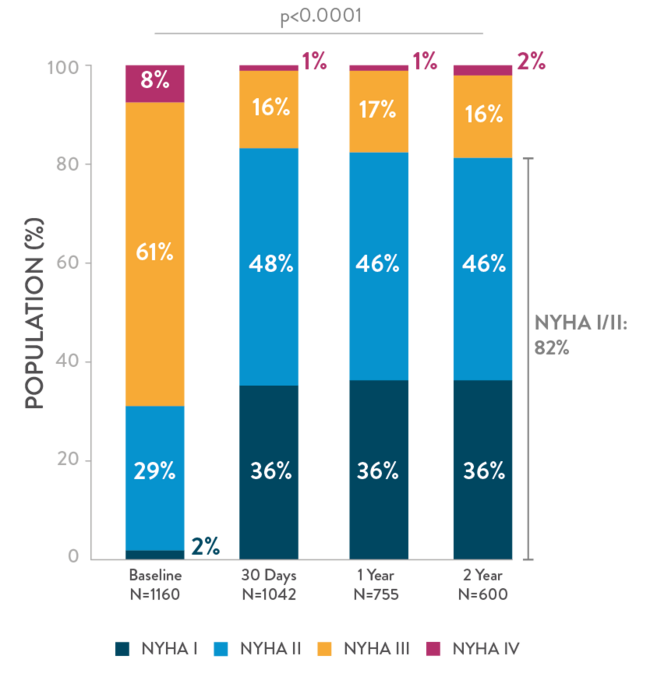
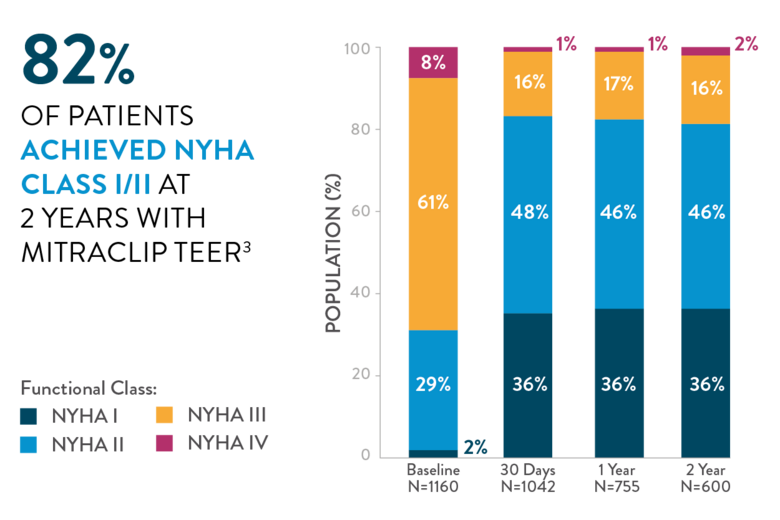
NYHA FUNCTIONAL STATUS
82% in NYHA Class I/II at 2 years, maintained from 84% at 30 days9
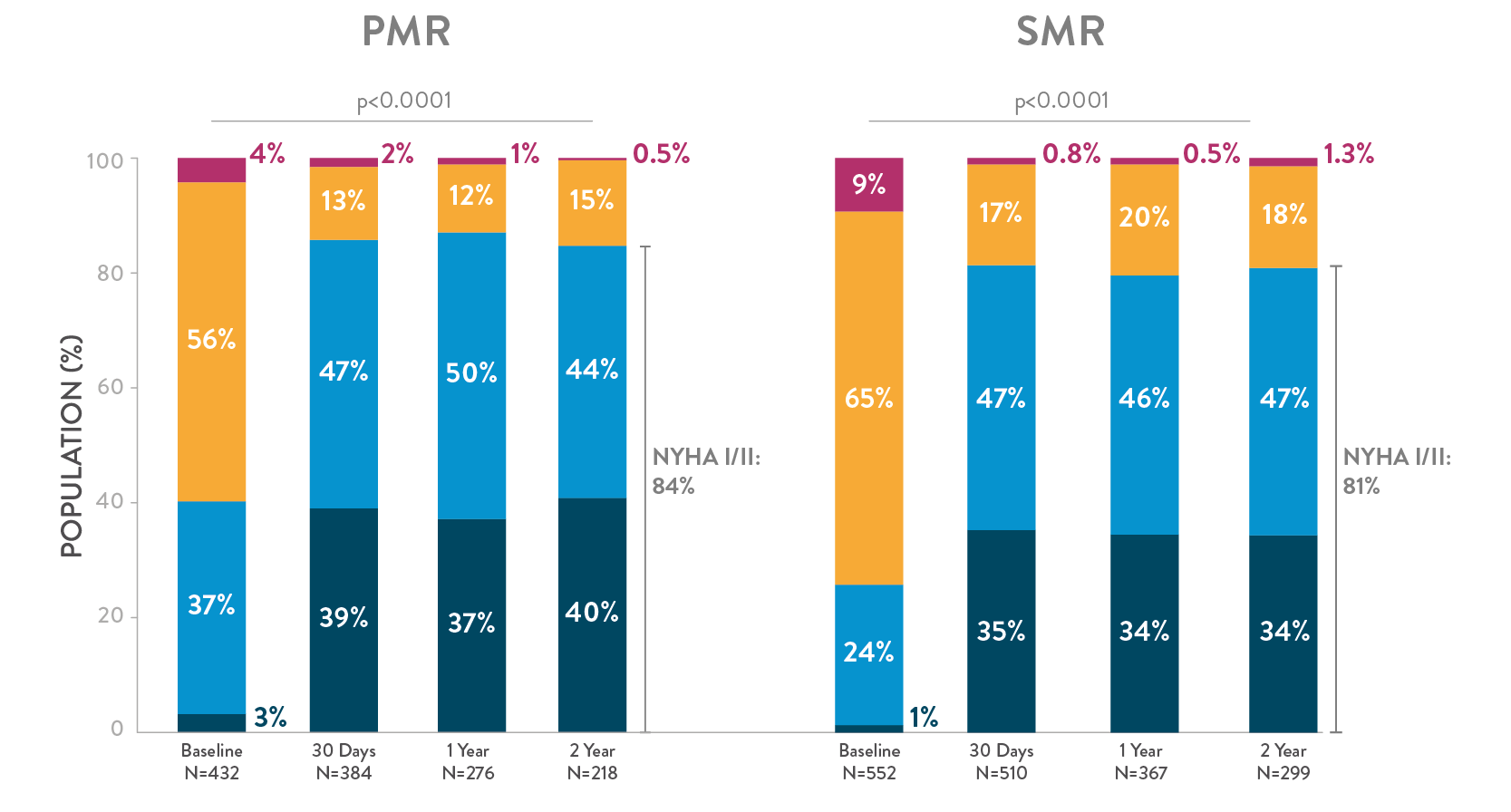
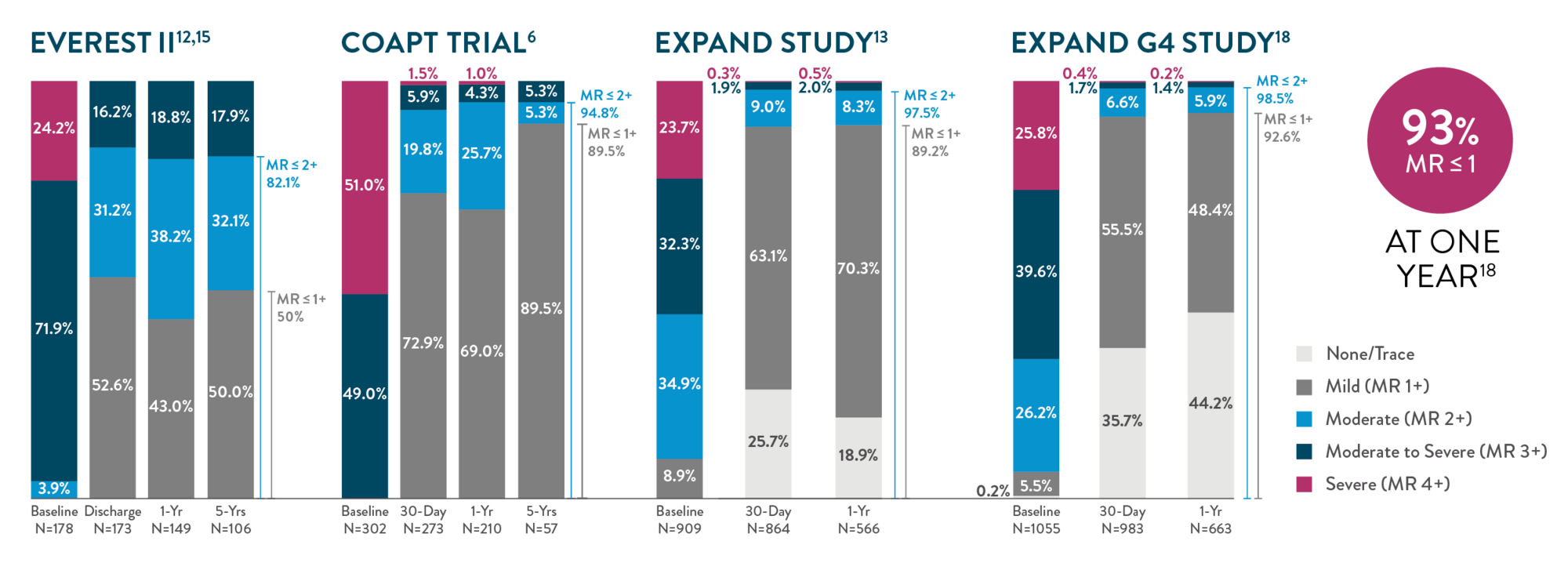
NYHA FUNCTIONAL STATUS BY MR ETIOLOGY6
Demonstrated outcomes. Life changing intervention.
MitraClip™ TEER is proven to be an intervention that delivers improvements and clinically relevant outcomes in appropriately selected MR patients. Treating MR can change the clinical trajectory for patients, moving beyond symptom control to outcome improvement. More than 300,000 patients1 have been treated with MitraClip TEER worldwide, with benefits observed in randomized trials now replicated in contemporary real‑world practice.
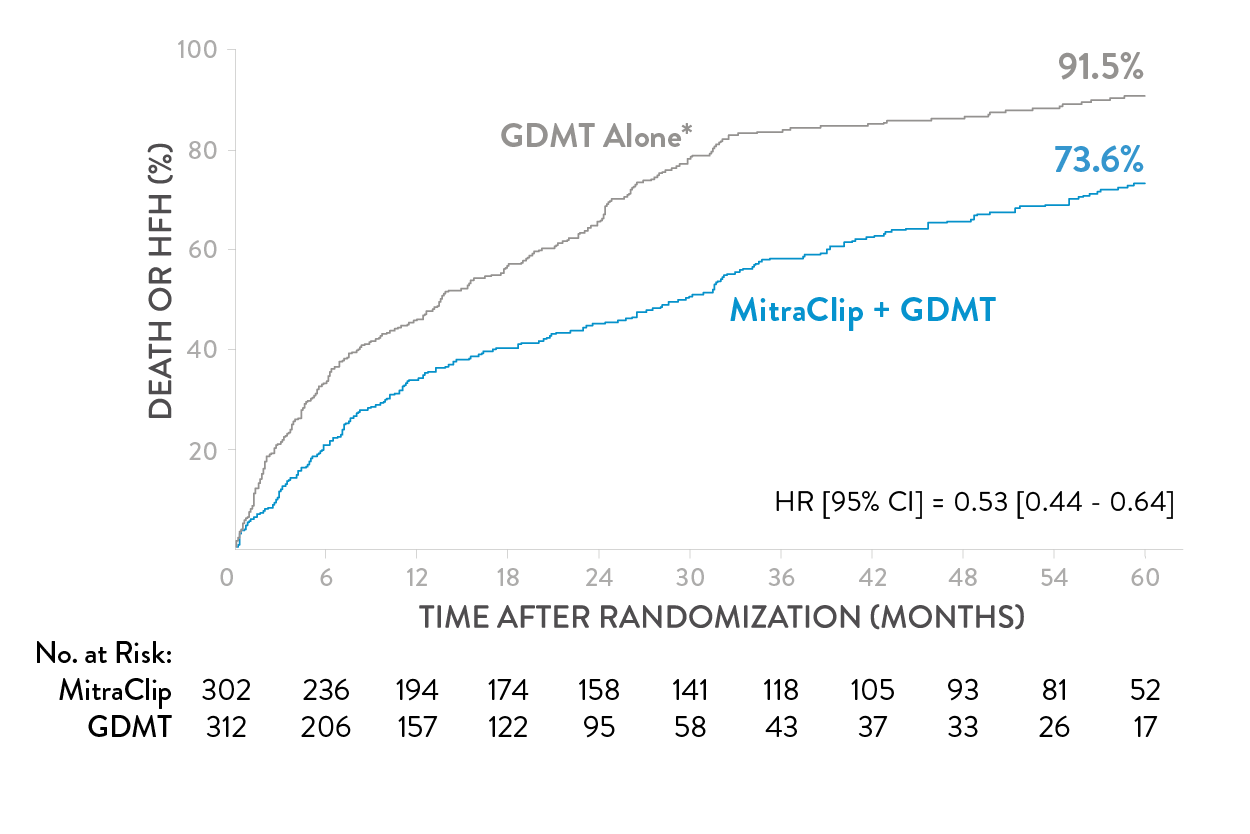
MitraClip™ + GDMT patients benefited from a 47% RELATIVE RISK REDUCTION in HFH/ Death versus GDMT-alone.6
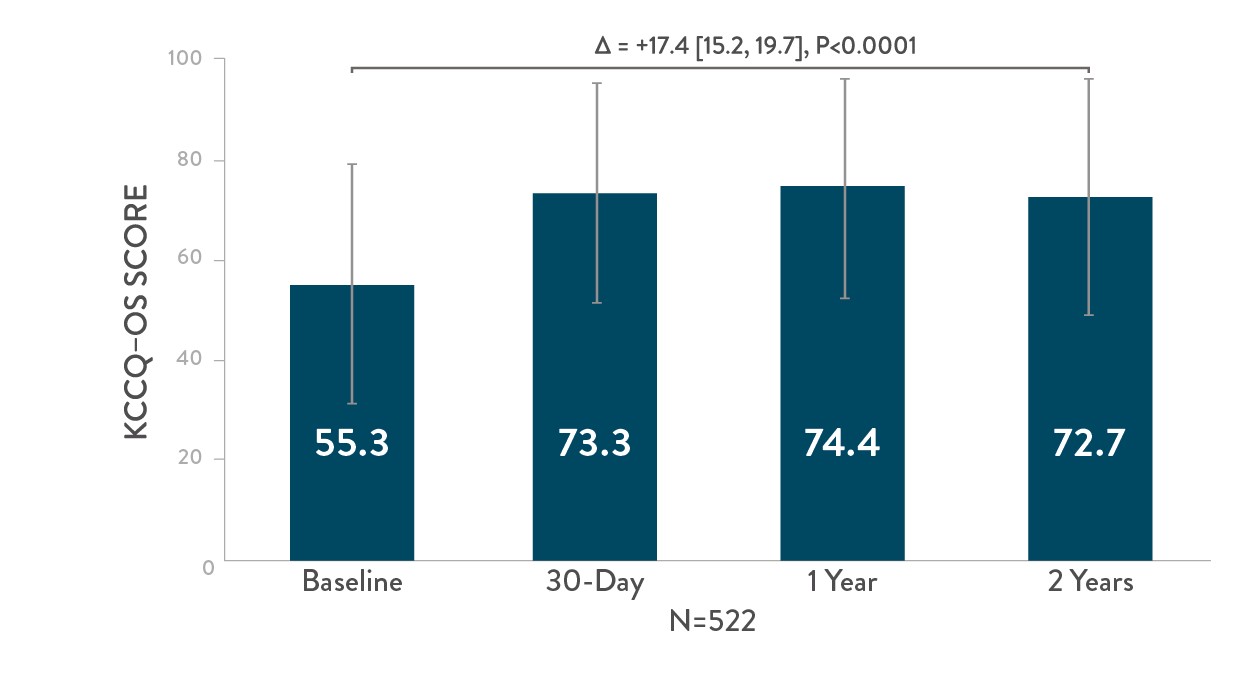
17
POINT IMPROVEMENT
IN KCCQ-OS SCORE FROM BASELINE
TO 2 YEARS WITH MITRACLIP TEER6
A Defining Moment Has Impact That Lasts. But Only If You Act First.
Collaborative Management of HF Patients with MR: Bridging Evidence and Practice
Mitral regurgitation (MR) is a common valvular condition that can worsen heart failure symptoms, increase hospitalisations, and reduce quality of life. While GDMT remains the foundation of care, some patients may benefit from timely intervention.
In this educational video series, Prof P. Lurz, Dr Karl-P. Kresoja, Dr M. Sherwood, and Dr S. Desai discuss the role of TEER, patient selection, safety outcomes, and the importance of coordinated care. The series also explores practical referral triggers, imaging considerations, and strategies to improve outcomes through earlier MR recognition and intervention.
A Defining Moment Shaped by Updated Evidence
Updated evidence creates new opportunities to improve patient outcomes. With the publication of the 2025 ESC/EACTS Guidelines for the Management of Valvular Heart Disease and the release of the 2026 ESC Guidelines for the Management of Heart Failure, healthcare professionals have access to updated recommendations that can help guide decision-making across the patient journey. Explore the guidelines below to access the latest evidence and recommendations shaping cardiovascular care.

Discover the New 2026 ESC/EACTS Heart Failure Guidelines
Released at ESC Congress 2026, the ESC/EACTS Heart Failure Guidelines provide updated recommendations to help clinicians navigate the latest evidence and advances in heart failure management. Explore the key updates and what they may mean for patient care.
LEARN MORE:
2025 ESC/EACTS Guidelines for the Management of Valvular Heart Disease
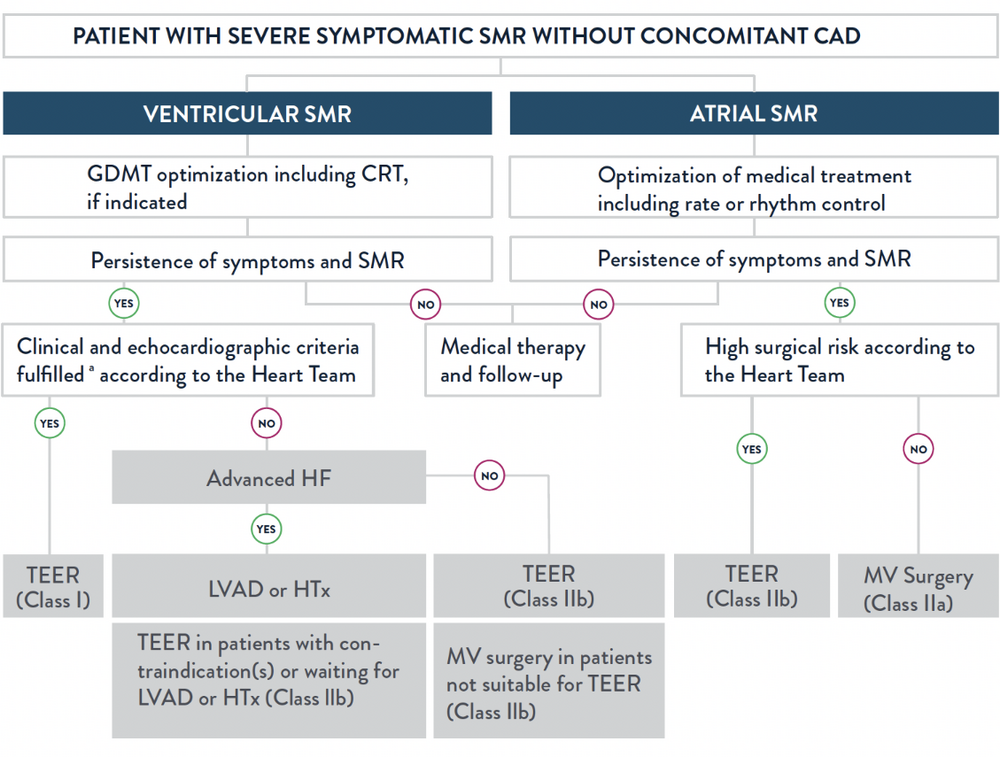
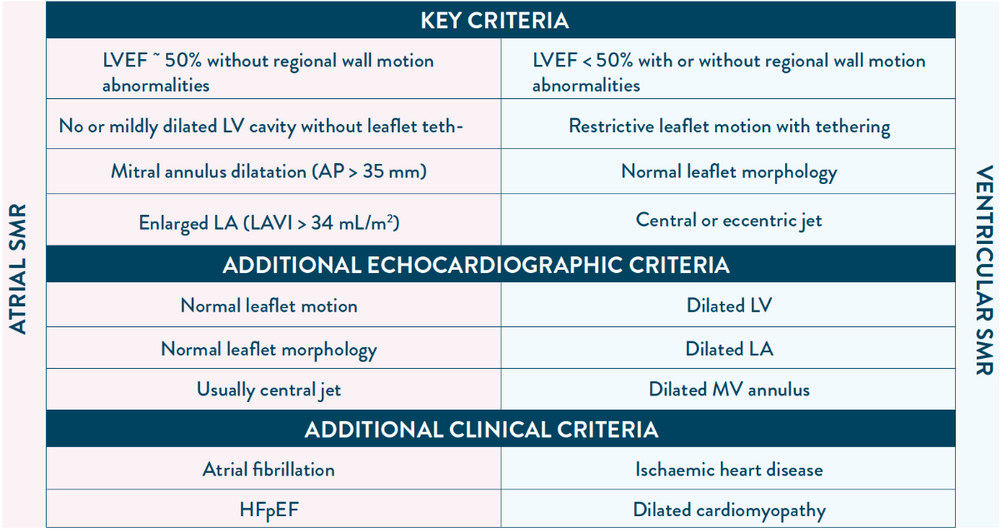
Treatment pathways for secondary mitral regurgitation depend on the underlying disease mechanism. The 2025 ESC/EACTS Guidelines provide a structured approach to patient management while highlighting the key clinical and echocardiographic features that differentiate atrial from ventricular SMR. The summary below represents the recommended treatment algorithm and diagnostic criteria supporting Heart Team decision-making.
LEARN MORE:
TREATMENT OF SEVERE SECONDARY MITRAL REGURGITATION WITHOUT CONCOMITANT CORONARY ARTERY DISEASE
FIND A MITRACLIP/TRICLIP CERTIFIED CLINIC
Download all Resources
Low Procedural Risk. Consistent Safety Outcomes
Immediate Relief. Durable Benefits
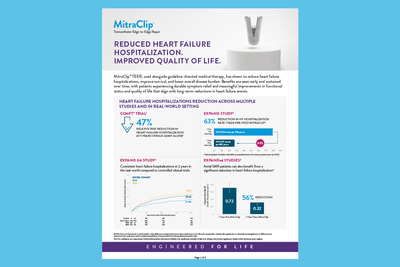
Reduced HF Hospitalisation. Improved Quality of Life
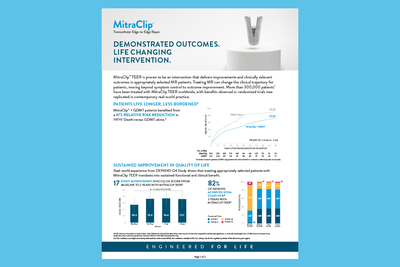
Demonstrated Outcomes. Life-Changing Intervention
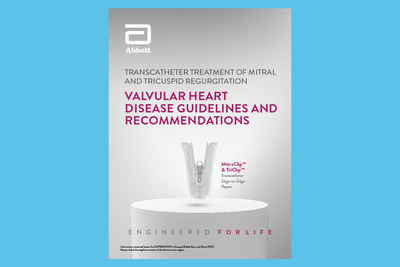
Valvular Heart Disease Guidelines at a Glance
- Maisano F, et al. Percutaneous mitral valve interventions in the real world: early and 1‑year results from the ACCESS‑EU, a prospective, multicenter, nonrandomized post‑approval study of the MitraClip therapy in Europe. Journal of the American College of Cardiology. 2013;62(12):1052–1061.
- Sorajja P, et al. Outcomes With Transcatheter Mitral Valve Repair in the United States: An STS/ACC TVT Registry Report. J Am Coll Cardiol. 2017;70:2315–2327.
- Bedogni F, et al. Real World Safety and Efficacy of Transcatheter Mitral Valve Repair With MitraClip: Thirty Day Results From the Italian Society of Interventional Cardiology (GIse) Registry Of Transcatheter Treatment of Mitral Valve RegurgitaTiOn (GIOTTO). Cardiovascular Revascularization Medicine. 2020;21(9):1057–1062.
- Lim Scott D. Contemporary Outcomes with MitraClip™ (NTR/ XTR) System in Primary Mitral Regurgitation: Results from the Global EXPAND Study. Data presented at ACC 2020.
- von Bardeleben RS, et al. Real-World Outcomes of Fourth Generation Mitral Transcatheter Repair: 30-Day Results from EXPAND G4. JACC Cardiovasc Interv. 2023 Jun 26; 16(12): 1463-73.
- Stone GW. et al. Five-Year Follow-up after Transcatheter Repair of Secondary Mitral Regurgitation. N Engl J Med. March 5, 2023. DOI: 10.1056/NEJMOA2300213.
- Kar S, von Bardeleben R, Rottbauer W, et al. Contemporary Outcomes Following Transcatheter Edge-to-Edge Repair: 1-Year Results From the EXPAND Study. J Am Coll Cardiol Intv. 2023 Mar, 16 (5) 589–602.
- von Bardeleben RS, et al. 1-Year Outcomes With Fourth-Generation Mitral Valve Transcatheter Edge-to-Edge Repair from the EXPAND G4 Study. JACC Cardiovas Interv. 2023, DOI: 10.1016/j. cin.2023.09.029.
- De Marco F. Two-Year Outcomes with the MitraClip G4 System: Results from the EXPAND G4 Study. Data presented PCR London Valves 2025.
- Asch FM, et al. Incidence and standardised definitions of mitral valve leaflet adverse events after transcatheter mitral valve repair: the EXPAND study. EuroInterv. 2021;17:e932-941.
- Data on file at Abbott
- EVEREST II Randomized Controlled Trial (RCT). Five Year Final Report Nov 2014. Data on File at Abbott.
- Kar S, von Bardeleben RS, Rottbauer W, et al. Contemporary outcomes following transcatheter edge-to-edge repair: 1-year results from the EXPAND study. J Am Coll Cardiol Intv. 2023;16(5):589-602. doi:10.1016/j. jcin.2023.01.0101.
- Arnold SV et al. Health status after transcatheter mitral valve repair in heart failure and secondary mitral regurgitation. JACC Mar 2019, 25951; DOI: 10.1016/j.jacc.2019.02.010
- Feldman T, et al. Randomized Comparison of Percutaneous Repair and Surgery for Mitral Regurgitation: 5-Year Results of EVEREST II. JACC. 2015;66(25):2844-54.
- Kar S. Core-Lab Adjudicated Contemporary Clinical Outcomes at 1 Year with MitraClip™ (NTR/XTR) System from Global EXPAND Study. Data presented at TCT 2020.
- Ricciardi M, Clipping Strategies and Outcomes in Atrial SMR Patients treated with the MitraClip System – The EXPANDed Studies. Data presented at NewYork Valves 2025.
- von Bardeleben RS, Mahoney P, Morse MA, et al. 1-year outcomes with fourth-generation mitral valve transcatheter edge-to-edge repair from the EXPAND G4 study. J Am Coll Cardiol Intv. 2023;16(21):2600-2610. doi:10.1016/j jcin.2023.09.029.